
Quick answer
Island hopping in Croatia operates through Jadrolinija's ferry network, which runs year-round passenger and vehicle routes between Split and major Dalmatian Islands including Hvar, Korčula, Brač, and Vis. Ferries depart multiple times daily during high season (June through September), with reduced schedules from October through May. Individual ferry tickets are purchased per leg rather than as multi-island passes, and advance booking is required for vehicle transport during summer months. Most routes originate from Split's harbor, making the city the de facto hub for island-hopping itineraries.
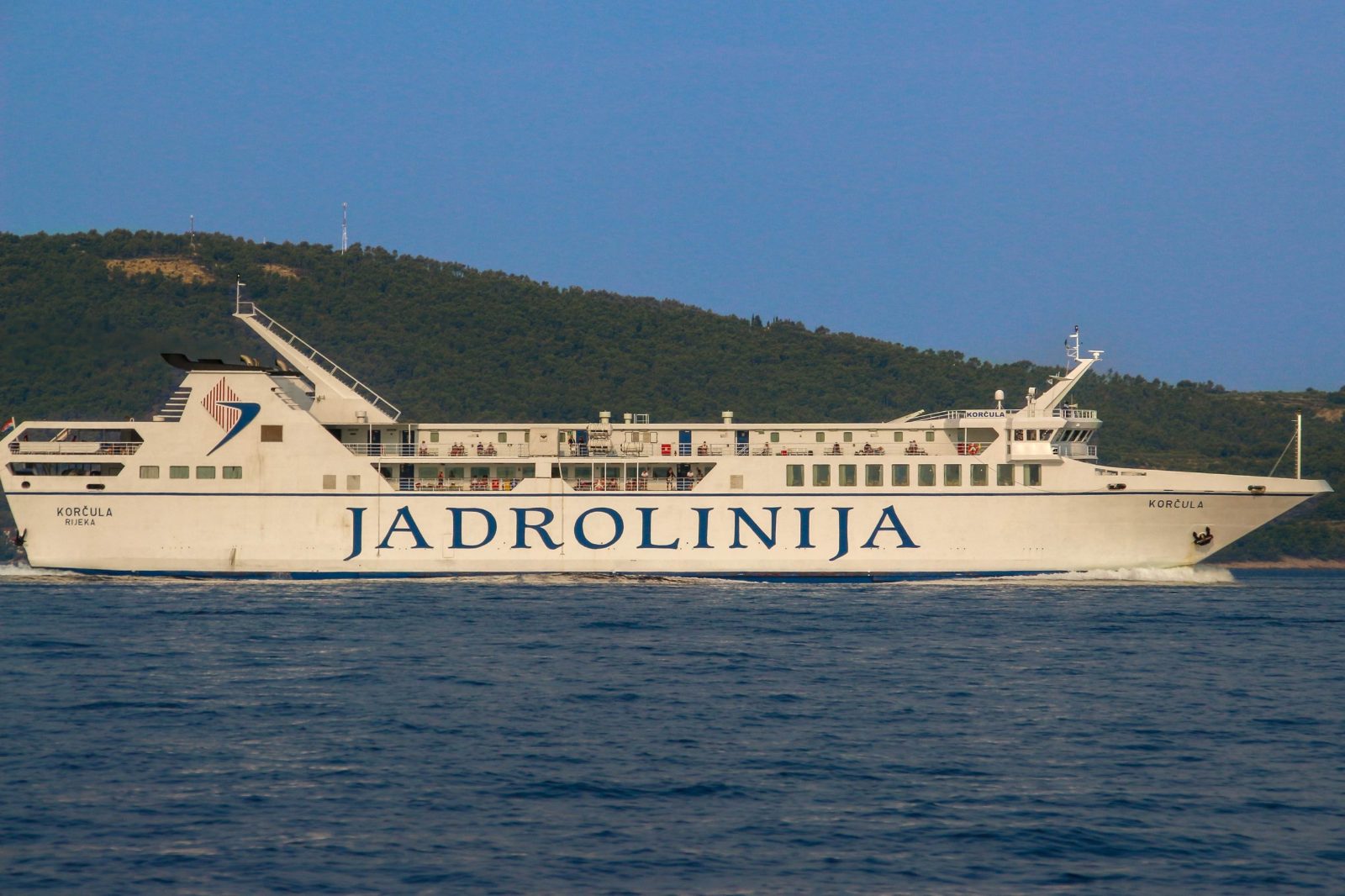
Jadrolinija operates the state ferry service that connects Croatia's inhabited islands to the mainland and to each other, a network born from geographic necessity rather than tourism. The company runs over 50 vessels on fixed routes, carrying 11 million passengers annually across the Adriatic. For travelers, this infrastructure translates into predictable schedules and standardized pricing, but also rigid routing: you move where and when the ferries go. The central axis runs from Split south to Korčula, with stops at Hvar and onward connections to smaller islands. A parallel route serves Brač, the closest major island to Split, while Vis sits farther offshore on a separate line. No circular routes exist—each journey is a series of point-to-point legs, and missing a connection means waiting hours or overnight for the next departure. High-season ferries operate on published timetables from early morning through evening, while off-season service contracts to two or three departures per route. Vehicle ferries require reservations weeks in advance during July and August; passenger-only catamarans offer walk-on flexibility but skip smaller ports. The mechanics of how to island hop in Croatia hinge on understanding layover windows and port locations. Hvar Town, the most-visited stop, sits on the island's west coast; the ferry dock is a 20-minute walk from the old town center. Korčula's port lies in Korčula Town itself, while Vis has two harbors—Vis Town and Komiža—served by different routes. Inter-island connections require careful schedule alignment: a morning ferry from Split to Hvar allows a same-day continuation to Korčula, but the reverse direction may force an overnight stay. Jadrolinija's online booking system shows real-time seat availability and accepts international credit cards, though tickets can also be purchased at port offices up to departure time when capacity remains. Route planning depends on whether you prioritize coverage or depth. A three-island loop—Split to Brač, Brač to Hvar, Hvar back to Split—fits within 48 hours but allows only brief stops. Adding Korčula or Vis extends the itinerary to four or five days and introduces longer transit times. The Croatian islands ferry system rewards linear thinking: design your route as a chain of forward moves rather than backtracking, and anchor each segment to the ferry schedule rather than wishful timing.
“No circular routes exist—each journey is a series of point-to-point legs, and missing a connection means waiting hours or overnight for the next departure.”
How to Island Hop in Croatia: A Realistic Itinerary Framework
This framework suits travelers with 5–7 days who want flexible island access from Split. It uses the hub-and-spoke model: return to Split between legs rather than chaining islands end-to-end.
Depart Split for Brač
Take the early Jadrolinija ferry to Supetar (50 minutes). Spend 3–4 hours exploring Bol's Zlatni Rat beach or cycling inland olive groves before returning.
Hvar day trip from Split
Board the midday catamaran to Hvar Town (1 hour). Walk the Fortica fortress trail, visit the Renaissance square, and catch an evening ferry back.
Vis via Hvar route
Depart Split early for Vis Town (2.5 hours direct or via Hvar). Allocate a full day—Vis requires 6–8 hours to cover the Blue Cave excursion and Stiniva Cove.
Šolta local loop
Take the short afternoon ferry to Rogač (1 hour). Šolta works as a low-key half-day: swim at Nečujam, sample local honey, and return by evening.
Korčula overnight anchor
Ferry to Korčula Town (2.75 hours). Unlike day trips, this island rewards an overnight—explore Moreška sword dance venues and the old town walls at your own pace.
Return leg from Korčula
Catch the return ferry to Split, typically departing late morning or early afternoon. Budget 3 hours travel time plus 30 minutes for port transfer.
Navigating Ferries and Transport for How to Island Hop in Croatia
Island hopping in the Dalmatian Islands centers on the port of Split, which serves as the primary hub for ferry connections. Travelers access the archipelago via established maritime routes connecting the mainland to major islands like Brač, Hvar, and Vis.
Jadrolinija Catamaran from Split Port to Hvar
Jadrolinija Car Ferry from Split Port to Supetar
Jadrolinija Catamaran from Split Port to Vis
Best Time to Plan How to Island Hop in Croatia
The period from May through June and September into early October offers the most favorable balance of high ferry frequency and manageable crowd levels. During these months, the Dalmatian Islands experience pleasant maritime conditions ideal for transit between ports.
Peak Season (July–August)
Very high; dense crowds.Hot, dry, 28°C–32°C. Long ferry hours.
High ferry frequency supports flexible travel, though popular routes experience significant queues.
Shoulder Season (May, June, September, October)
Moderate; manageable visitor numbers.Warm, 20°C–26°C. Consistent sun.
A balanced window with favorable weather and reliable transit schedules for most island connections.
Weekday Mornings
Low to moderate.—
Travel during the best arrival window of 06:00–22:00 allows passengers to avoid daily peak boarding rushes.
Verdict: The best time to island hop is during the shoulder months of May or September, specifically on weekday mornings to ensure travel within daily daylight ferry schedules.
Understanding Costs When Researching How to Island Hop in Croatia
Island hopping in the Dalmatian Islands does not require a single entrance fee, as travel costs depend entirely on individual ferry tickets purchased for each specific route. Passengers pay per leg based on the distance and type of vessel utilized for that segment.
Travelers typically pay for each ferry leg individually, with total costs fluctuating based on the specific islands visited and the chosen maritime route.
Operating Hours and Schedule Availability for How to Island Hop in Croatia
Ferry services operate daily to facilitate travel across the Dalmatian Islands. Travelers should verify specific seasonal route schedules via the official Jadrolinija website.
| Monday | 00:00–23:59 | |
|---|---|---|
| Tuesday | 00:00–23:59 | |
| Wednesday | 00:00–23:59 | |
| Thursday | 00:00–23:59 | |
| Friday | 00:00–23:59 | |
| Saturday | 00:00–23:59 | |
| Sunday | 00:00–23:59 |
Essential Checklist for How to Island Hop in Croatia
Prepare for ferry schedules, digital ticketing, and port protocols before you travel between islands.
-
Download the Jadrolinija mobile app — Purchase tickets digitally and track live ferry schedules from your phone.
-
Book ferry tickets 48 hours ahead — Secure seats on peak summer routes, especially for vehicle transport.
-
Confirm departure port and pier number — Rijeka, Split, and Dubrovnik terminals have multiple berths; arrive 30 minutes early.
-
Carry photo ID or passport — Required for all ferry boarding, even on domestic routes.
-
Check daily departure windows (06:00–22:00) — Most inter-island ferries operate within daylight hours; late bookings risk overnight gaps.
-
Pack a refillable water bottle — Limited onboard facilities on smaller vessels; stay hydrated during multi-leg journeys.
Check availability
Frequently asked questions about how to island hop in croatia
Everything you need to know about how to island hop in croatia