
Quick answer
The main islands to visit from Split are Brač, Hvar, Vis, Šolta, and Korčula, all served by regular ferry and catamaran routes. Brač lies closest at 50 minutes by ferry, while Vis requires around two hours. Morning departures between 07:00 and 10:00 give you the longest day on the islands and help you avoid peak-season crowds and midday heat.
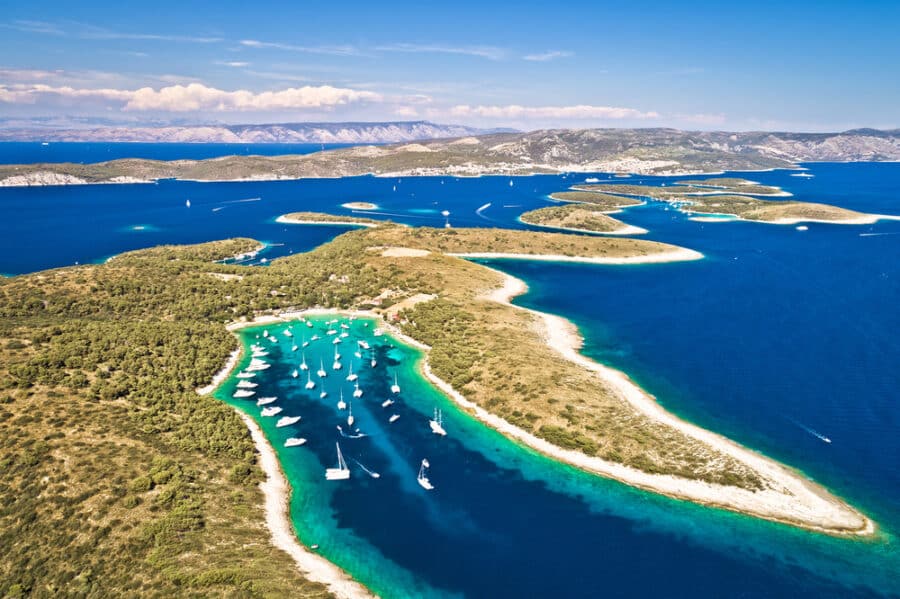
The Dalmatian archipelago holds more than a thousand islands, but only a handful are both inhabited and connected to Split by scheduled passenger service. The ferry network radiates from Split's harbor in two main corridors: the central route serves Brač, Hvar, and Vis, while the southern arm reaches Korčula via the Pelješac peninsula. Šolta, the closest inhabited island, draws fewer visitors despite its proximity and offers quieter beaches and family-run konobas. Brač is the largest island in central Dalmatia and the most accessible from Split. The port town of Supetar receives car ferries every two hours in summer, and the crossing takes 50 minutes. Most visitors continue south to Bol, where the Zlatni Rat beach extends into the Hvar Channel and shifts shape with the current. The island's interior remains agricultural, with olive groves and stone shepherd huts scattered across the limestone ridges. Hvar draws the largest crowds of any Dalmatian island, and the summer ferry schedule reflects that demand. Catamarans from Split reach Hvar town in one hour, while the car ferry calls at Stari Grad on the island's north coast. The town's marble-paved square dates to the Venetian period, and the fortress above offers sightlines west to the Pakleni Islands and east to Brač. Vis remained a military zone until 1989, and that isolation preserved both its architecture and its slower pace. The island lies farther offshore than Brač or Hvar, and the two-hour catamaran ride limits day-trip traffic. Vis town and Komiža, the two main settlements, retain working fishing fleets, and the island's konobas serve locally caught grouper and lobster rather than imported seafood. The Blue Cave on the islet of Biševo operates as a separate paid attraction, accessible only by small boat from Komiža. Korčula requires the longest journey from Split—between three and four hours depending on the route—but the old town's layout and density rival anything in Dalmatia. The island also claims a winemaking tradition centered on the Grk and Pošip grape varieties, both indigenous to the archipelago. Split's ferry terminal operates year-round, but summer schedules between June and September offer the most frequent departures and the widest choice of islands. Advance booking is not required for walk-on passengers on most routes, though catamarans to Hvar and Vis do sell out on weekends in July and August. The Croatian ferry operator Jadrolinija publishes timetables online, and private catamaran companies including Krilo and TP Line compete on the busiest routes. Return ferries from the islands tend to depart in late afternoon, so building an overnight stay into your itinerary gives you more flexibility and removes the pressure of catching the last boat back to Split.
“Vis remained a military zone until 1989, and that isolation preserved both its architecture and its slower pace.”
The Best Time for Islands to Visit From Split
The optimal time to visit the Dalmatian Islands is between 07:00 and 10:00 to avoid mid-day heat and high-volume ferry traffic. Planning your departure early ensures a calmer experience at popular island destinations.
May and June
ModerateMild, 20°C to 25°C
Longer daylight hours and comfortable temperatures are ideal for island exploration.
July and August
Very HighHot, 30°C plus
Ferries operate at maximum frequency but visitor density is at its peak.
September and October
Low to ModerateWarm, 20°C to 26°C
Sea temperatures remain pleasant for swimming while ferry crowds diminish significantly.
Weekday mornings
Low—
Early departures before 10:00 consistently provide the quietest access to island ports and attractions.
Verdict: The best period for visiting is from Tuesday to Thursday during the months of May, June, September, or October, with an arrival window of 07:00–10:00.
Navigating Transport: How to Reach Islands to Visit From Split
The Dalmatian Islands are accessible primarily via the Split ferry port, located in the city center. Visitors can choose between the public Jadrolinija ferry network or private boat transfers depending on their schedule and destination requirements.
Jadrolinija Ferry from Split Port to Supetar
Jadrolinija Catamaran from Split Port to Hvar Town
Private speed boat transfer from Split Riva
Walk from Split city center to ferry terminal
Notable Islands to Visit From Split
The Dalmatian archipelago offers a diverse range of landscapes and historical sites easily accessible from Split. These destinations provide distinct experiences, from limestone beaches to hidden maritime caverns.
Zlatni Rat
Located on the island of Brač, this distinctive pebble spit shifts its shape based on currents and wind. Walk to the tip to observe how the beach extends into the Adriatic Sea.
Brač Zlatni Rat beach aerial
Blue Cave
Situated on the small island of Biševo near Vis, this sea cave is known for the blue light emitted when sunlight reflects through an underwater opening. Arrive early to experience the reflection when light levels are optimal.
Blue Cave Biševo interior view
Hvar Town
This historical hub on Hvar island features the 13th-century walls and the Fortica fortress overlooking the harbor. Explore the narrow stone alleys behind the main square to find quieter, less frequented passages.
Hvar Town harbor and fortress
Stiniva Cove
This secluded bay on the island of Vis is framed by high cliffs that nearly close off the entrance. View the narrow sea passage from a small boat to appreciate the unique geological formation.
Stiniva Cove Vis limestone cliffs
Šolta
Known for its olive oil production and traditional villages, this island provides a quieter atmosphere compared to its larger neighbors. Walk the trails near Grohote to see remnants of ancient stone structures and rural architecture.
Solta island rural landscape
Entrance Fees and Costs for Islands to Visit From Split
Access to the Dalmatian Islands themselves is free of charge. Visitors only incur costs when entering specific managed attractions or protected sites located on the islands.
A typical visitor pays 0 EUR for island access, with total costs depending solely on the specific attractions they choose to enter.
Operational Hours for Islands to Visit From Split
The Dalmatian Islands are accessible at all hours, though physical arrival is governed by ferry and boat transport schedules.
| Monday | 00:00–23:59 | Always open |
|---|---|---|
| Tuesday | 00:00–23:59 | Always open |
| Wednesday | 00:00–23:59 | Always open |
| Thursday | 00:00–23:59 | Always open |
| Friday | 00:00–23:59 | Always open |
| Saturday | 00:00–23:59 | Always open |
| Sunday | 00:00–23:59 | Always open |
Pre-Departure Checklist for Islands to Visit From Split
Island-hopping in Dalmatia requires advance planning for ferries, weather, and attraction access.
-
Book ferry tickets or tour slots in advance — Summer routes sell out and schedules shift seasonally
-
Download offline maps and ferry timetables — Cell coverage weakens between islands and harbors
-
Pack sun protection and refillable water bottles — Shade is scarce on boat decks and rocky beaches
-
Carry passport or ID for ticket verification — Operators check documents for international ferry routes
-
Bring cash in small denominations — Remote island villages and Blue Cave gate fees rarely accept cards
-
Charge devices and pack a portable battery — Long days afloat drain phones used for tickets and navigation
-
Check weather forecasts 24 hours before departure — Rough seas cancel routes and maroon travelers overnight
Check availability
Frequently asked questions about islands to visit from split
Everything you need to know about islands to visit from split